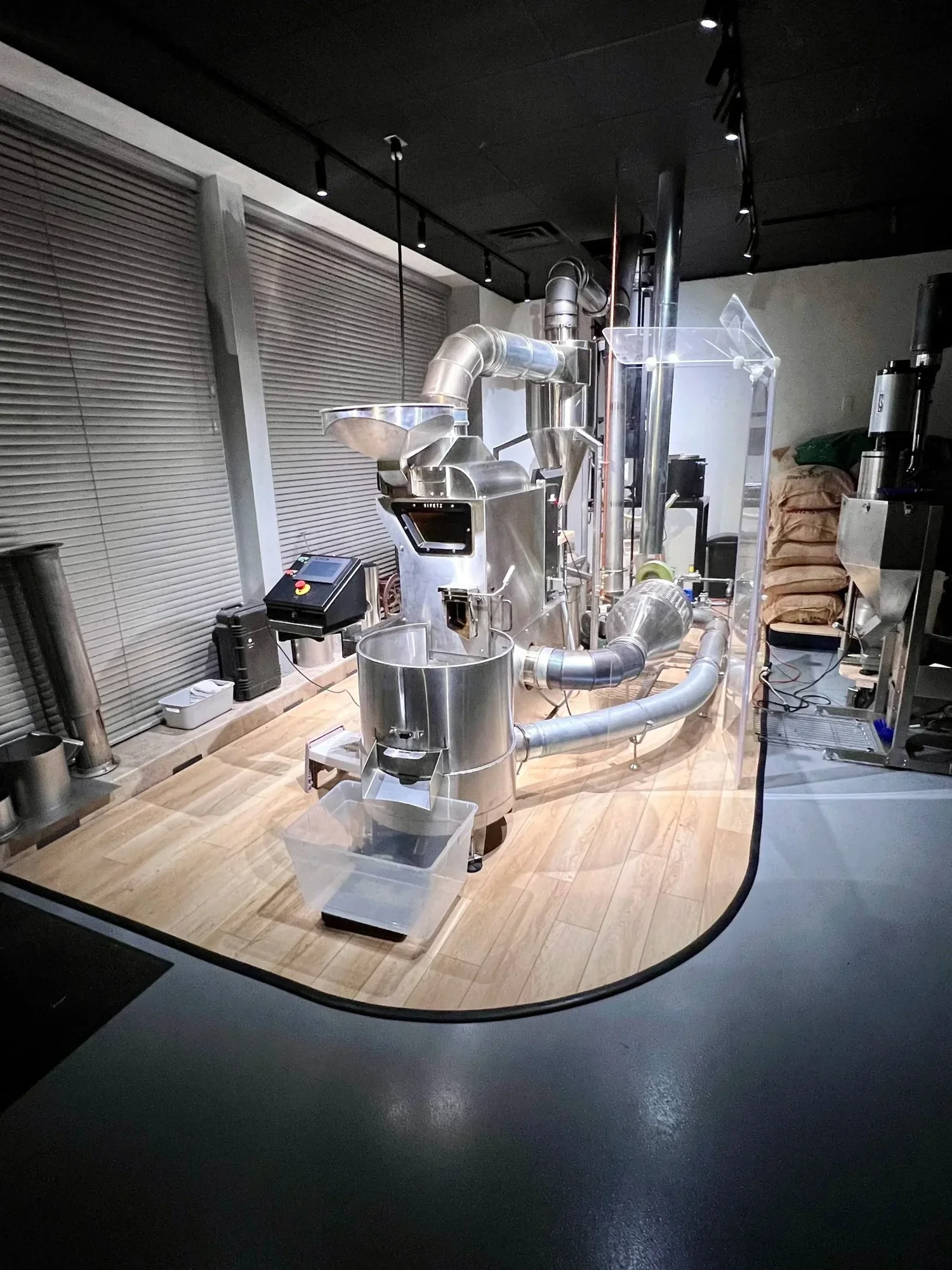
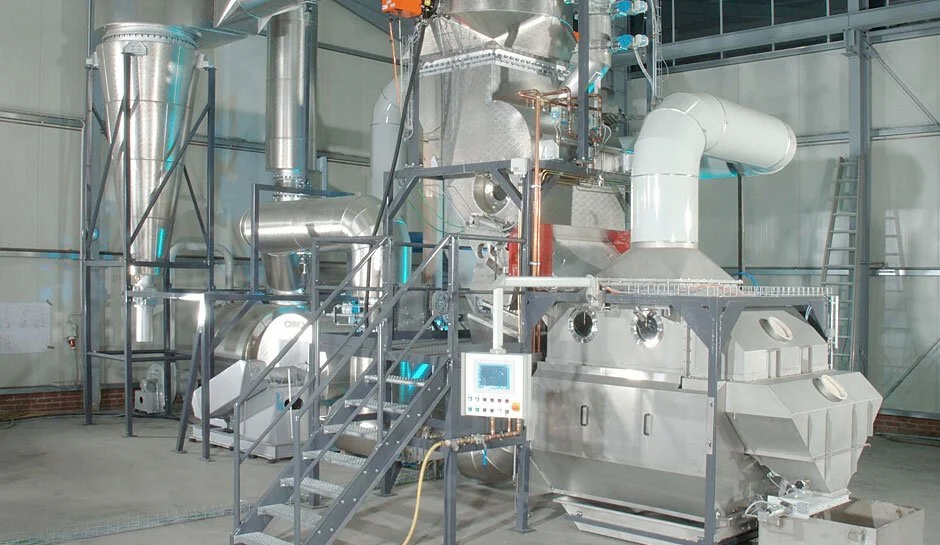
Seems impossible, doesn’t it? In this 1988 article, Michael Sivetz weighs the pros and cons of a very fast roast. He looks at large industrial fluid bed roasters, such as those from Neuhaus-Neotec, which were based on the Sivetz U.S. patent.

Why Big Roasters Want a Three Minute Roast
Time is money. Imagine how many kilos a two-bag roaster can turn out per hour with three-minute roast times. It’s easy to see why big roasters have always been drawn to this method.
Shorter roasts also preserve the bean’s acidity, which has two advantages:
- Roasters can blend in Robusta beans, which tend to taste rubbery in a conventionally timed roast.
- The extra acidity in Arabica beans makes better-tasting coffee where people brew with alkaline water.
What Michael Sivetz Recommended
Even so, Mike found that a roast time of 6 to 12 minutes was optimal, depending on the size of the machine. Roasting to a bean temperature of 440 to 460 in that window fully develops the beans. As a result, you get the most aroma and flavor.
Fast Roasting on Today’s Sivetz Roasters
Modern Sivetz roasters follow the same thinking. Hot air moves heat into the beans quickly, so roast cycles stay short without being rushed. In addition, one batch cools while the next one roasts, so there’s no waiting between batches. That means high throughput and fully developed beans.
Want to dial in your own roast times? Read how IT/BT profiling lets you control each step of the roast, or compare the SRM5E, SRM9E and SRM15.